"The Long Way North" 2026. 09. 12-18.
The Baltic Rally is a nearly 3,000-kilometer automotive adventure. Beyond Slovakia and Poland, the tour winds through the three unique nations of the Baltics: Lithuania, Latvia, and Estonia. The route intentionally avoids highways, sticking mostly to backroads, small villages, and the occasional dirt track to ensure participants truly soak up the authentic Baltic atmosphere.
It’s not just about driving; along the way, you'll need to answer questions and tackle various challenges. At the end of each daily stage, the choice is yours: relax in a hotel or spend the night under the stars in a tent or your car.
Our journey culminates at the northernmost tip of Estonia. We’ll gather there for an official closing ceremony to wrap up this unforgettable adventure, sharing stories and experiences from the road. The most skilled teams will receive their well-earned awards, followed by a great celebration to end the trip on a high note.
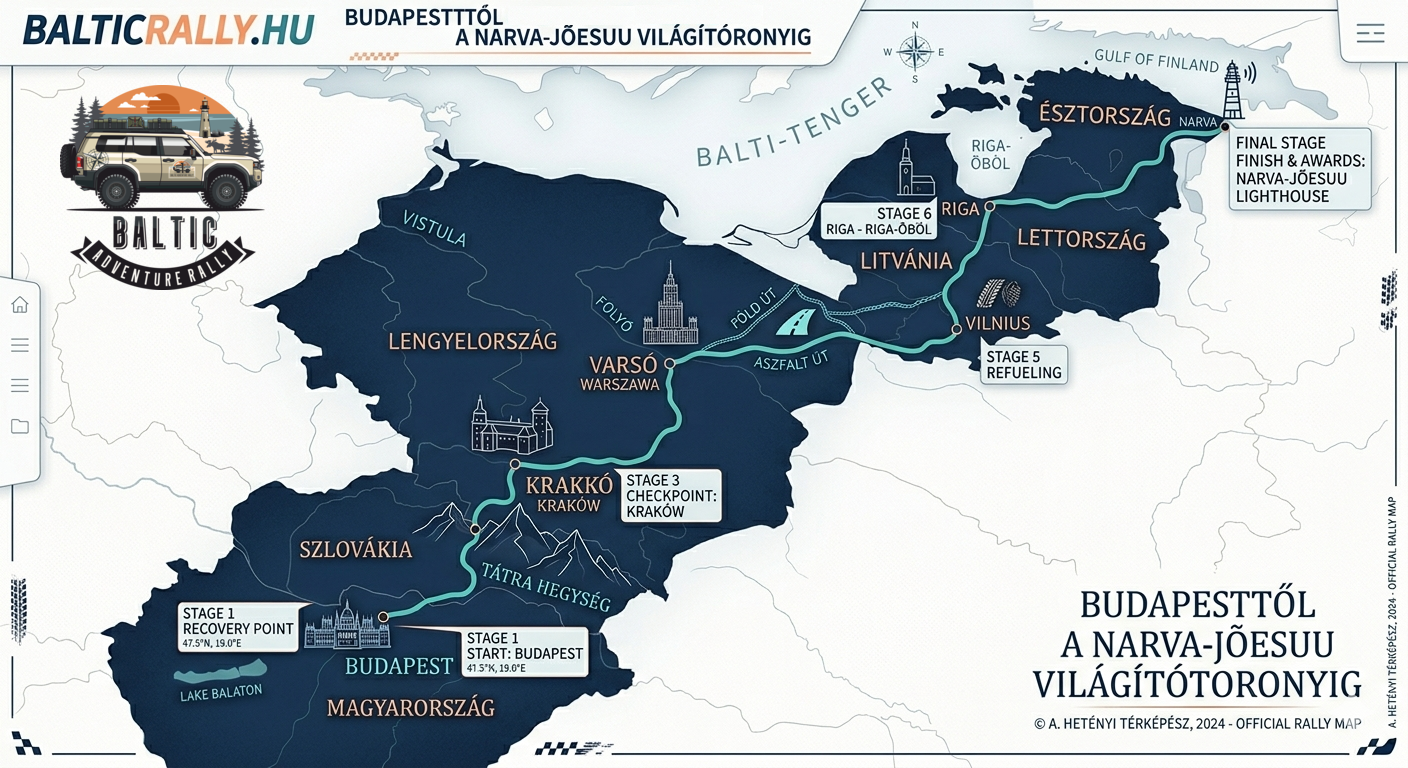
Budapest
One of Europe's most beautifully situated capitals, where the Baltic Rally kicks off.
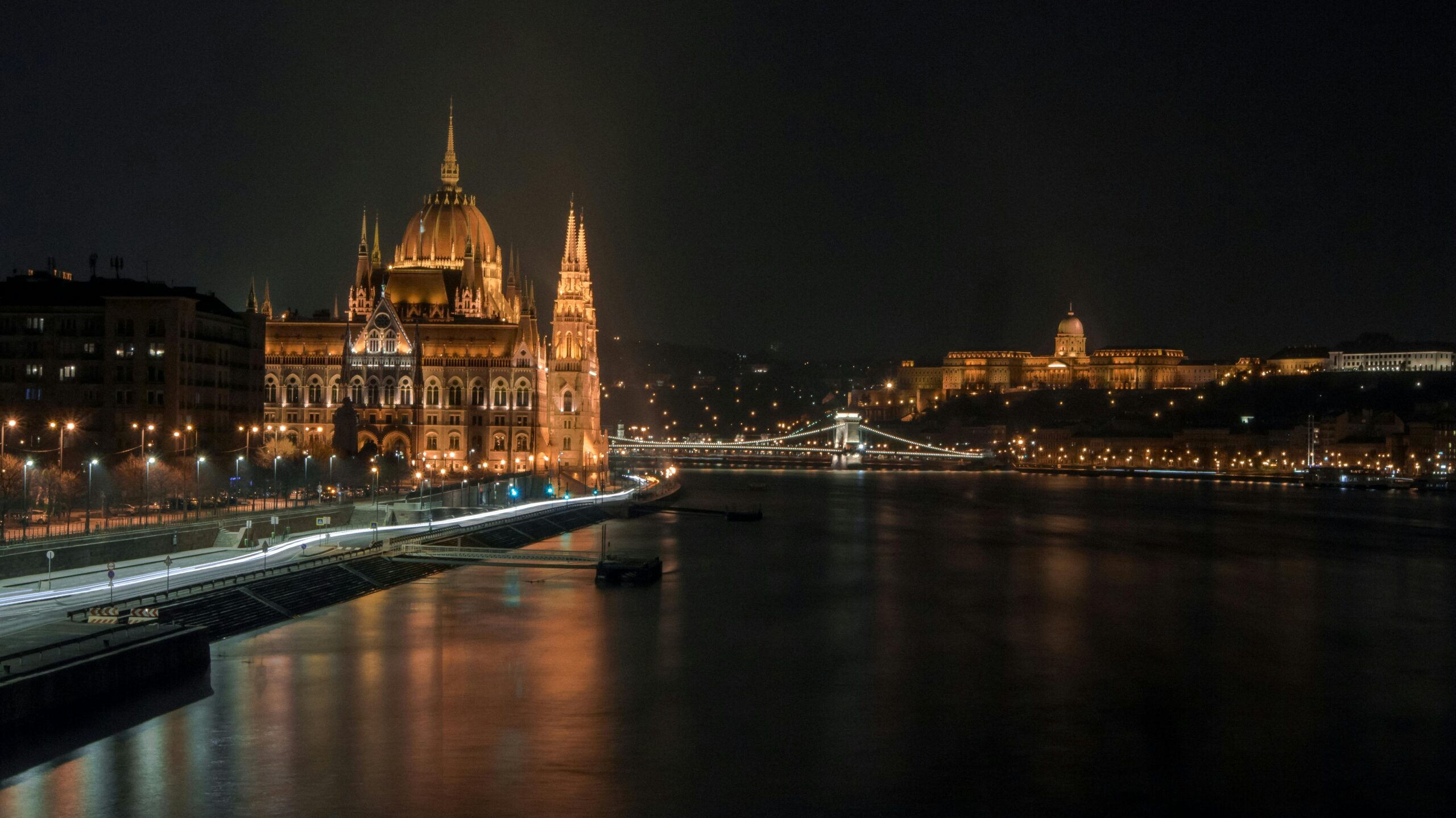
Setting off from Budapest, you feel the start of the adventure within the very first kilometers. The vibrant urban energy of the city, the panoramic views along the Danube, and the historic bridges provide a grand opening for the Baltic Adventure Rally. The city is a blend of modern and classic, where the bustling downtown quickly gives way to open landscapes as we push northward.
This starting point is ideal not just for logistics, but for the experience itself: leaving Budapest, we gradually shift from the urban pulse into the world of cross-border overland travel and a closer connection with nature.
Slovakia
From the rugged peaks of the High Tatras to the historic atmosphere of Košice, Slovakia is the perfect meeting point of nature and culture.
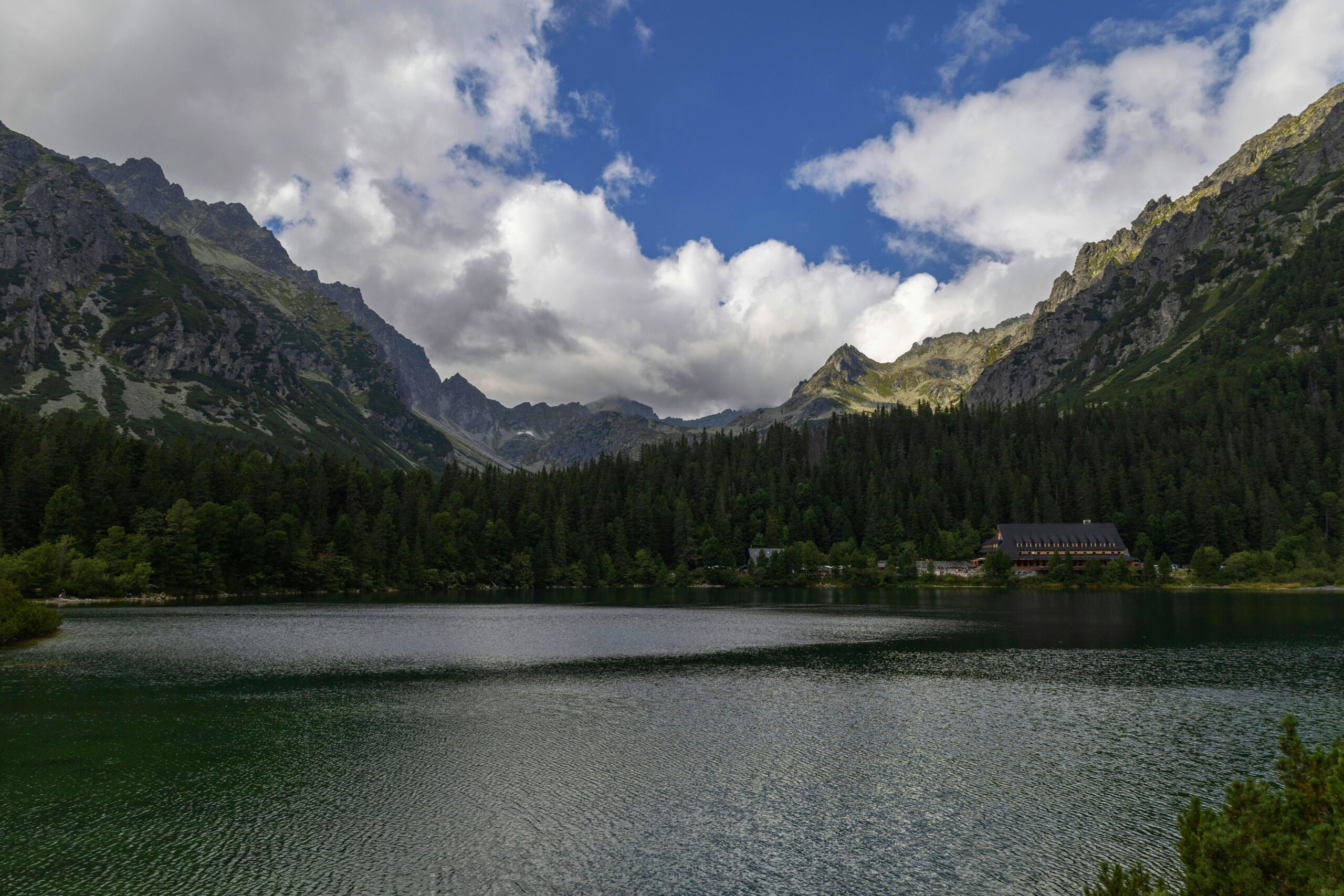
Slovakia is one of the most exciting transit countries of the Baltic Rally, offering a unique balance between wild nature and historical heritage. With nearly half of the country covered in forests, adventure is guaranteed at almost every kilometer.
The iconic peaks of the High Tatras are among the highest ranges of the Carpathians, making them ideal for hiking, mountain driving, or simply taking in the panoramic views. Beyond the mountains, travelers are welcomed by extraordinary national parks like the Slovak Paradise, where gorges, ladder-access trails, and waterfalls create an unforgettable experience.
In addition to its natural landscapes, Slovakia is famous for its cave systems and thermal springs—with dozens of accessible caves and numerous spas providing a chance to recharge during the journey.
Slovakia is far more than just a country to pass through: it is a place where mountains, forests, and historic towns come together to provide the true essence of the overland experience on the road toward the Baltics.
Poland
From the peaks of the Tatras to its historic towns, it is a diverse country full of experiences.
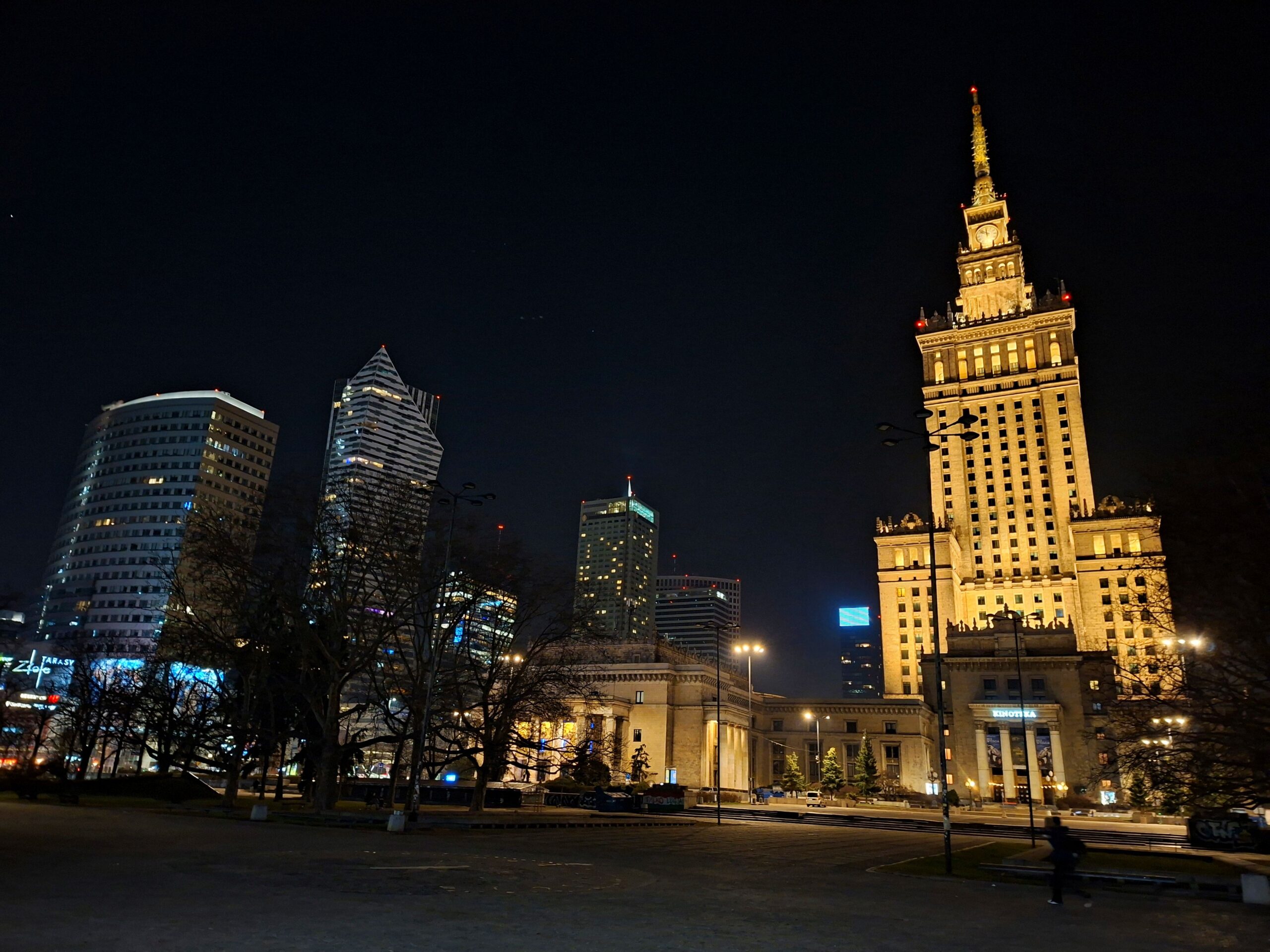
As you head toward the gateway of the Baltics, Poland stands out as one of the most diverse and experience-rich stops, where nature and history go hand in hand. In the south, the stunning peaks of the Tatras and the rugged trails of the Tatrzański National Park await travelers, while the country’s numerous other national parks entice visitors with untouched forests, lakes, and abundant wildlife.
Among the historic cities, Kraków stands out with its unique atmosphere, and the world-famous Wieliczka Salt Mine—with its underground chambers and salt sculptures—is a true curiosity. Poland offers a perfect blend of active recreation, cultural experiences, and breathtaking landscapes, making it an essential stop on any overland adventure.
Lithuania
Urbex and wild landscape

Lithuania is the first Baltic stop, where the landscape shifts almost imperceptibly into a northern atmosphere. The countryside is defined by vast pine forests, hundreds of lakes, and quiet villages. A significant portion of the country is covered by woodlands and wetlands, where nature still feels untouched and the daily lives of the locals remain deeply connected to the environment.
At this stage, the rally becomes more than just a journey: the narrow forest tracks and the calm, sparsely populated terrain bring a true Nordic feel to the experience.
Latvia
Urbex and wild landscape
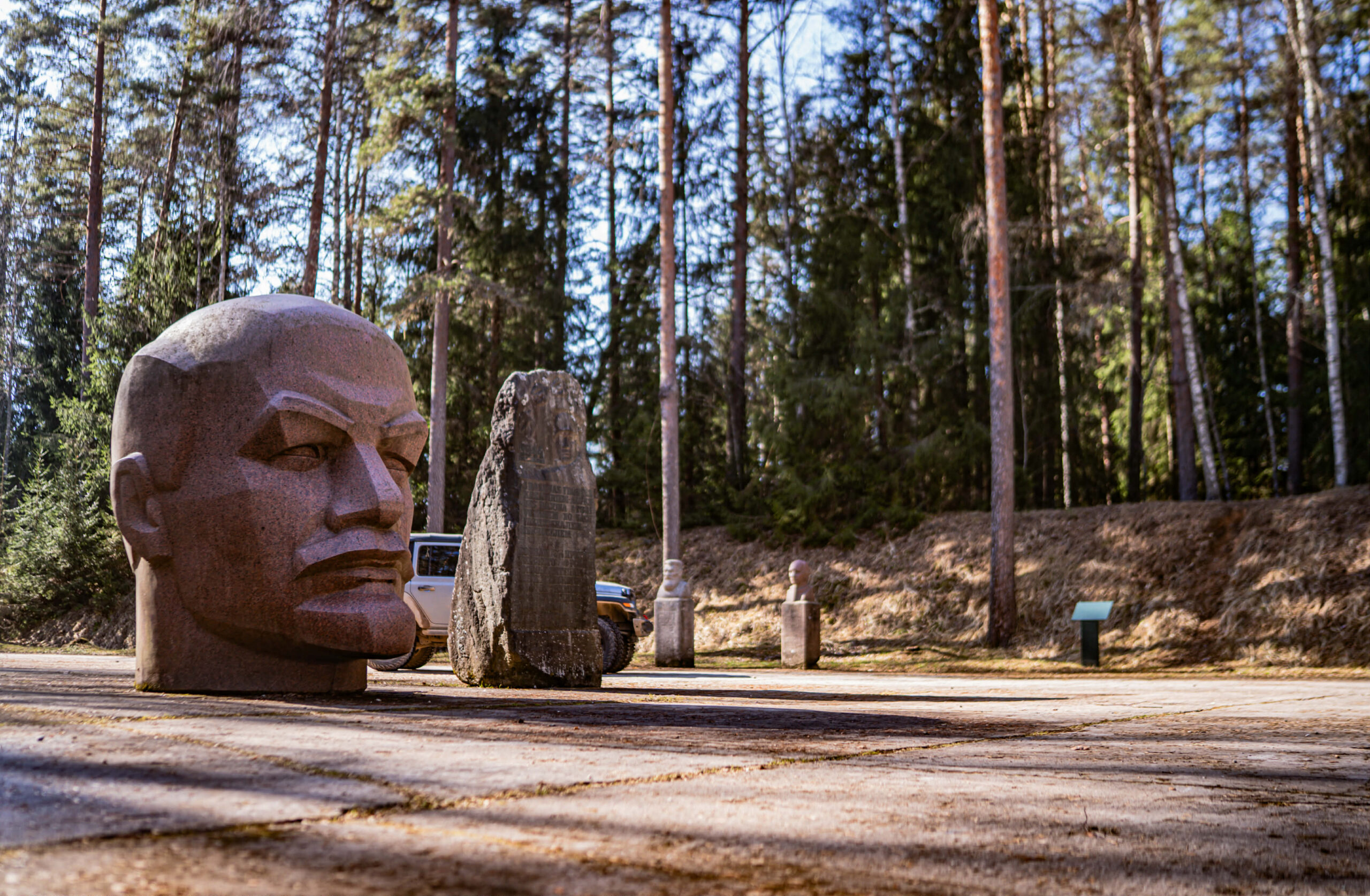
The next stop is Latvia, one of the greenest countries in the Baltics. Vast forests and river valleys—such as the famous Gauja Valley—provide a unique terrain for the adventure. Winding roads, sandstone cliffs, castles, and rugged riverbanks paint a landscape that feels both deeply connected to nature and steeped in history.
Here, the journey turns increasingly into an adventure tour: forest tracks, charming small towns, and the authentic rural face of the Baltics await.
The Final Destination
Estonia – A World of Silence and Northern Nature
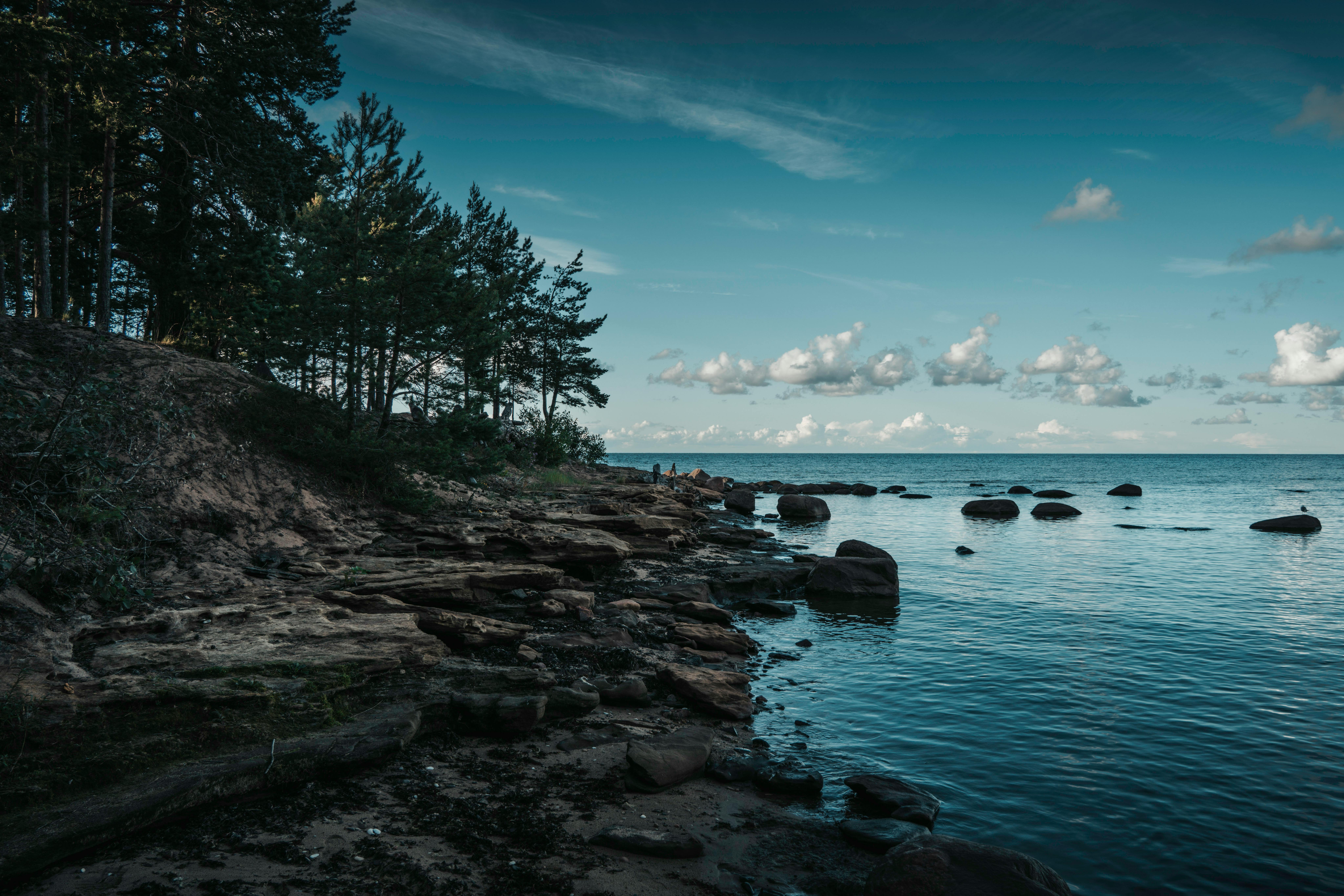
The final destination of the Baltic Rally is Estonia, where the landscape exudes an even wilder and more Northern atmosphere. The country is defined by vast wetlands, ancient forests, and sparsely populated territories. Thousands of bogs and peatlands shape the terrain, hosting unique wildlife and creating a truly distinct Nordic ambiance.
This is the point where the journey transforms into a true expedition—at the end of the road, the spirit of the Scandinavian world already awaits.
Narva is Estonia's easternmost city, situated directly on the Russian border, where the Narva River separates the country from Russia. The city’s unique atmosphere stems from the meeting of two cultures: the Western and Eastern worlds literally stand face-to-face here.